
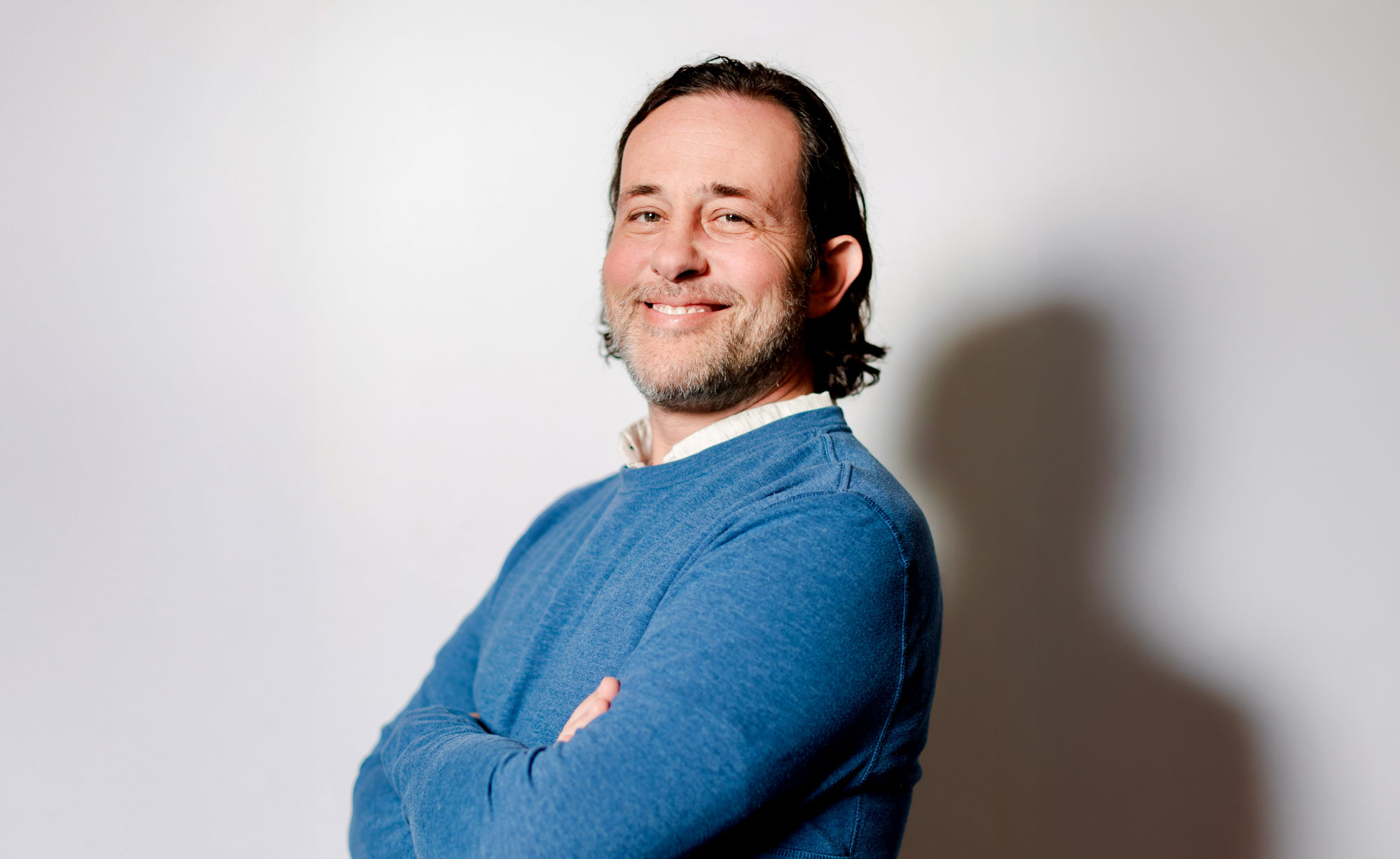
Grammy and Emmy award-winning Greg Hayes is a Los Angeles-based recording engineer, music mixer, and owner of SoundGMH Productions Inc, who has worked on a wide range of records across multiple genres, along with hundreds of high-profile scores for film, TV, and even Formula 1 sports broadcasts.
Starting out in Nashville as a songwriter where he first started to develop his recording and engineering skills, Greg later moved to Los Angeles where he has since been working on a long list of music projects and expanded his work into film scores over the last two decades which started with Alan Silvestri’s Polar Express under legendary mixer Dennis Sands.
Recently Greg recorded the score for one of Hollywood’s highest-grossing films of 2025, Lilo & Stitch, mixed Marvel’s streaming hit Wonder Man and is fresh off the mix of Illumination and Nintendo’s The Super Mario Galaxy Movie which he also recorded over at Warner Bros.’ Eastwood Scoring Stage – but when we caught up with Greg it was with another topic in mind and one that we at LiquidSonics rarely get the opportunity to speak about with score mixers – recording jazz!
At his custom studio at SoundGMH Productions Inc, Greg has a wide range of reverb options including classic outboard from Lexicon and modern industry standards including the Bricasti M7. Naturally these legendary reverbs have been a staple of jazz production for decades, and were available for use on the mix of HBO’s Perry Mason, a wonderful score by Terence Blanchard, which was of course set to be a live jazz ensemble recording.
Blanchard has written more than 80 film and television scores and received Academy Award nominations for BlacKkKlansman and Da 5 Bloods. His work carries a strong sense of atmosphere, character and emotional precision, and Perry Mason called for a score built around the intimacy and interplay of jazz musicians.
The plan had been straightforward: record a five-piece jazz band together in a good room, capture an episode’s worth of material, then take it back to the studio for mixing over the following days. The method suited the music – it gave the players room to respond, improvise and shape the material together as comes naturally to talented jazz musicians.
But this was in March 2020, and production conditions changed almost overnight.
“A few weeks before we were supposed to start recording, the world locked down,” Greg recalls. “Suddenly we had to figure out how to record a jazz score where none of the musicians could be in the same room.”
As with so many projects at the time it could not simply be rescheduled so a remote workflow had to take its place. Recording systems were set up for each musician at home, charts and rough sketches were sent out, and parts were recorded individually and returned piece by piece. Greg quickly realised recording the score was still feasible, but this was going to be like no project he had worked on before and of course a jazz session was one of the most challenging scenarios imaginable. The process now depended on rebuilding that sense of interaction and interplay between musicians that would usually emerge in the room organically.
“The difficult part was that they couldn’t hear each other while performing, which makes improvisation much harder,” Greg says. “A jazz ensemble normally feeds off the energy and phrasing of the other players.”
Greg began shaping the separate recordings into arrangements that carried a shared pulse and a shared musical direction. Once that structure started to settle, he would send the material to Blanchard for notes and ideas, then continue the recording and mixing process. A relentless drive for attention to detail and the flexibility required to respond to challenges in-situ while striving towards musical goals was essential.
There was also the question of acoustics. Each musician had recorded in a different environment which carried its own room sound, and its own sense of distance. Unique imaging and placement challenges when mixing sources recorded in this way had to be addressed if the score was ever going to feel cohesive.
That was where Seventh Heaven Professional became central to the process – Greg leaned into his experience using Bricasti M7 reverbs, famed for their precise yet transparent placement capabilities.
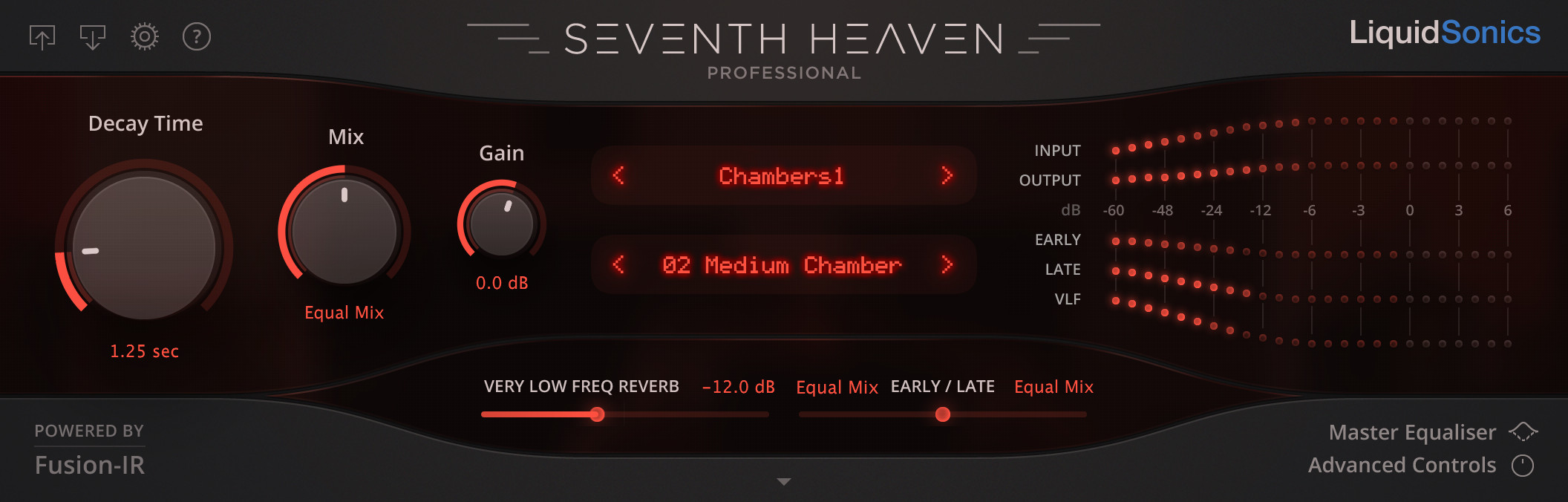
“One of the biggest challenges was making the recordings feel like they all happened in the same physical space,” Greg recalls, “each musician was recording in a completely different environment; living rooms, home studios, bedrooms; so the raw recordings had wildly different acoustic signatures.”
“After experimenting with a number of solutions, Seventh Heaven Professional became the key tool that allowed the score to feel cohesive. The spaces are incredibly natural and detailed, and it allowed me to place all of the musicians into a shared acoustic environment without it sounding like everything was simply drenched in reverb.”
That quality mattered because the score needed a believable sense of the ensemble playing together and the room itself. The players had to seem connected and the music needed a shared acoustic frame. Once that environment was established, the performances could carry the interplay and responsiveness that the score demanded convincingly. “Instead of feeling like five isolated recordings, it started to feel like a band performing together,” Greg recalls. “I remember after we finished one of the early episodes, Terence and I were laughing about how we should probably never tell anyone how we managed to pull it off!”

We hear time and again in high pressure environments, especially score and post, that the true value of a studio tool often becomes clearest when working conditions are under pressure. During the pandemic, engineers, mixers and composers were trying to preserve the essentials of performance: cohesion, space, timing and the sense of musicians responding to one another. Access to large recording rooms was usually out of the question, and access to familiar hardware such as the Bricasti M7 was often limited as well. Despite the changes in working environments, the music still had to be recorded and mixed; and it still had to sound incredible.
Greg remembers the scale of the effort clearly. “What would normally have been a two- or three-day process per episode ended up taking eight to ten days,” he says, “But we were incredibly grateful to still be working during that moment.” Gradually, the production process became more streamlined; “Once I landed on Seventh Heaven as the solution for the acoustic space, the rest of the season became much faster and more consistent to put together.”
As we reflect on Seventh Heaven’s upcoming ninth anniversary it is an honour that engineers like Greg turned to LiquidSonics for production tools to help them continue to deliver at the high standards they set for themselves as they embraced new approaches to recording and mixing.
Thanks to Greg for taking the time to speak with us about this interesting time, and as ever thank you to Bricasti for their unwavering support in helping us bring Seventh Heaven to the mixing desks of engineers and recording professionals around the globe.
Greg Hayes Contact & Socials
Instagram | LinkedIn | Web | SoundGMH Productions Inc
